Manfredo Tafuri
Introduction
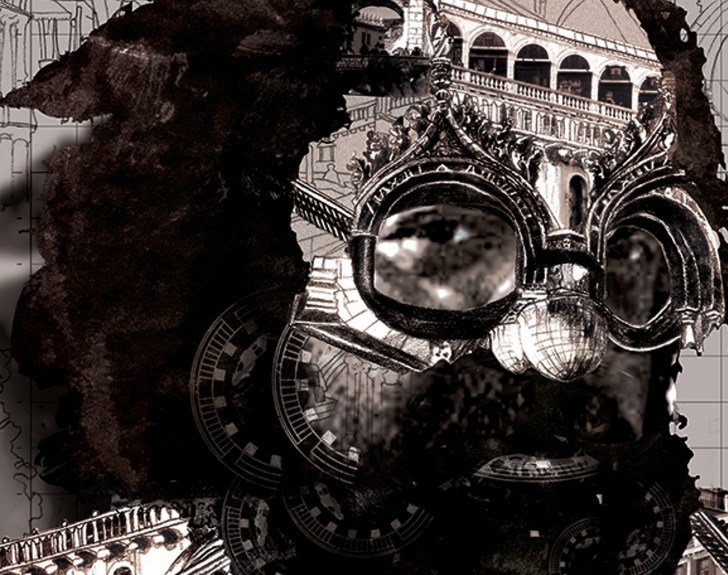
Manfredo Tafuri (1935-1994) was an Italian architectural historian and critic.
He graduated from the Faculty of Architecture of the University of Rome in July 1960
Tafuri’s legacy encompasses his pioneering contributions to architectural history and his broader influence in the field of art history.
His work is characterized by a critical and interdisciplinary approach, challenging established art historical methodologies.
Tafuri’s Approach
Manfredo Tafuri’s approach to art history is marked by two key elements: critical theory and interdisciplinary perspectives.
Critical Theory :-
Tafuri approached art history with a critical mindset.
This means he didn’t merely accept existing interpretations and narratives at face value.
Instead, he questioned established ideas and challenged conventional ways of looking at art.
In essence, he encouraged art historians to dig deeper, to scrutinize the underlying assumptions, and to engage in a critical dialogue with the subject matter.
This critical approach allowed him to uncover hidden meanings, ideological influences, and power dynamics that may not be immediately apparent in artworks.
Interdisciplinary Perspectives :-
Tafuri believed that to truly understand art, one must consider it within broader cultural and social contexts.
Art doesn’t exist in isolation; it is a product of the society and culture in which it is created.
To this end, he drew on insights from various disciplines beyond art history, including sociology, philosophy, literature, and even politics.
By adopting an interdisciplinary approach, Tafuri sought to provide a more holistic understanding of art.
He recognized that by examining how art intersects with other aspects of human life, we gain deeper insights into its meaning, purpose, and impact.
Historical Context
Intellectual Landscape:
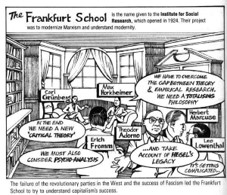
Tafuri’s work emerged during a rich intellectual landscape characterized by profound questioning of established ideas.
Critical theory, which had its roots in the Frankfurt School, was influential. Thinkers like Theodor Adorno and Max Horkheimer examined how culture, including art and architecture, intersected with society and politics.
Tafuri was particularly drawn to Walter Benjamin’s ideas about the role of art in the age of mechanical reproduction and how it related to modernity.
Post-World War II Era:
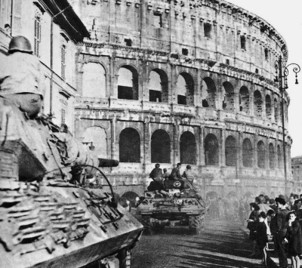
Tafuri’s formative years and academic career coincided with the aftermath of World War II. The war had brought significant social and political changes.
Europe, including Italy where Tafuri lived and worked, was undergoing reconstruction and grappling with the legacy of fascism.
This period of rebuilding and reevaluation influenced Tafuri’s critical stance and his interest in understanding the impact of history on architecture.
Marxism and Social Change:
•Marxism, which focuses on class struggle and societal transformation, was an important intellectual framework during Tafuri’s time.
•Tafuri was influenced by Marxist ideas, particularly the examination of how economic and social factors shape the built environment.
The Rise of Postmodernism:

The late 20th century also witnessed the rise of postmodernism in art and architecture.
Postmodernism challenged traditional narratives and embraced pluralism and complexity. It questioned the idea of a single, linear history.
Tafuri’s work unfolded against this backdrop of reevaluating historical and cultural narratives.
Critique of Linear Narratives
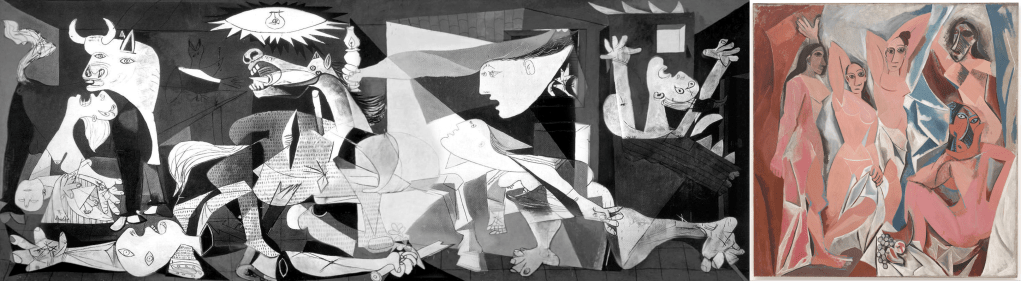
Traditional art history often follows a linear or chronological narrative. It presents art as if it evolves in a straight line, progressing from one style or period to another. This approach suggests a clear and teleological (goal-oriented) path in which art reaches its peak or fulfillment.
Manfredo Tafuri challenged this conventional approach. He believed that linear narratives oversimplified the complexities of art’s development and obscured its true nature.
Tafuri argued that viewing art history as a linear progression failed to capture the multifaceted and often contradictory forces that shape artistic movements.
Tafuri preferred a more complex and nuanced understanding of art history. He believed that art’s evolution was not linear but rather a product of various intersecting and sometimes conflicting influences.
Tafuri argued for fragmented historical accounts, where multiple perspectives, voices, and contradictions coexist. This approach acknowledges that history isn’t a single, unified story; it’s a collection of many stories.
Tafuri’s critique of linear narratives is crucial because it encourages us to look beyond simplified, one-dimensional views of art history. It prompts us to explore the intricate tapestry of influences, ideas, and contexts that shape artistic developments.
Interdisciplinarity
Manfredo Tafuri strongly advocated for interdisciplinary approaches in art history, drawing from various fields.
Sociology:
Tafuri believed that art doesn’t exist in isolation; it’s deeply intertwined with society. To understand art fully, he encouraged art historians to borrow ideas and methods from sociology.
Sociology is the study of how society works, how people interact, and how institutions function. By applying sociological insights, Tafuri aimed to uncover the societal influences on art and architecture.
Philosophy:
Philosophy deals with fundamental questions about existence, knowledge, ethics, and reality. Tafuri was influenced by various philosophical ideas, particularly those of critical theorists like Walter Benjamin and Theodor Adorno.
Philosophy allowed Tafuri to explore the deeper meanings and philosophical underpinnings of art and architecture. He asked questions about the role of art in society, the nature of artistic creativity, and the relationship between art and reality.
Literature:
Tafuri also drew from literature in his art historical analyses. Literature provides insights into human experiences, emotions, and cultural narratives.
By incorporating literary perspectives, Tafuri could explore the narrative aspects of art and architecture. He looked at how buildings and artworks could tell stories, convey emotions, or challenge established narratives.
Interdisciplinary Synergy:
Tafuri believed that the synergy between these disciplines enriched art history. By borrowing ideas and methodologies from sociology, philosophy, and literature, he could provide a more holistic understanding of art.
This interdisciplinary approach allowed him to analyze art not just as static objects, but as dynamic entities deeply embedded in the cultural and social fabric of their times
Architectural Theory
Manfredo Tafuri’s examination of architectural theory and its role in shaping architectural practice was a fundamental aspect of his work. He had a keen interest in understanding how theoretical ideas influenced the actual design and production of buildings.
Theoretical Framework: Tafuri saw architectural theory as a guiding force in shaping actual architectural work.
Influence on Design: He studied how architects incorporated theoretical concepts into their building designs.
Production of Architecture: Tafuri looked at how theory influenced the actual construction and materials used in buildings.
Critique of Ideology: He criticized theories that seemed to promote certain political or social ideologies.
Historical Context: Tafuri stressed the importance of considering the historical and cultural context in which architectural theories emerged.
Practical Implications: His work encouraged architects to reflect critically on how theory informed their designs, promoting a more conscious and informed approach to architecture.
Influence
Manfredo Tafuri’s methodologies have profoundly influenced the study of art and architecture:
Contextual Emphasis: His focus on historical context has become fundamental, encouraging scholars to dig deeper into the circumstances around artworks.
Critical Thinking: Tafuri’s critical approach challenges traditional views, fostering a culture of critical analysis in art history.
Interdisciplinary Insights: He introduced interdisciplinary perspectives, expanding the toolkit of art historians and promoting a more comprehensive understanding of art’s role in society.
Complexity Acknowledgment: Tafuri’s call to embrace complexity and fragmentation has enriched art history by recognizing the diversity of influences and perspectives.
Political Awareness: His examination of the political and ideological aspects of art has inspired further research into how art reflects and shapes cultural and political contexts.
Enduring Legacy: Tafuri’s influence remains strong in contemporary art history, shaping how scholars approach art and architecture with critical, contextual, and interdisciplinary lenses.
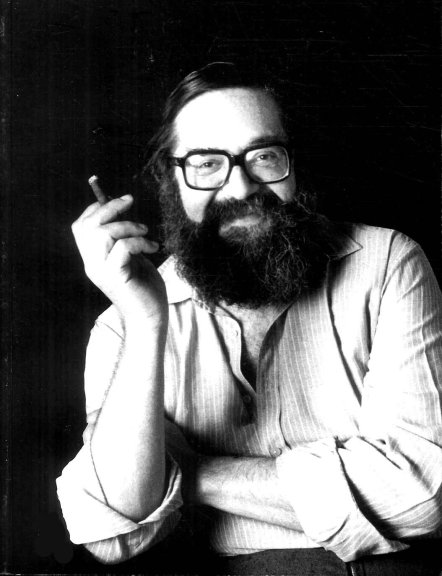
In summary, Tafuri’s legacy underscores the significance of critical thinking and interdisciplinary approaches in art history. These methodologies enrich our understanding of art by considering its historical context, complexity, and multifaceted influences, allowing for a more nuanced and comprehensive exploration of artistic expressions across time.
 A{AI}
A{AI} 